
Does Your Child Have Glue Ear?
Posted on May 27, 2022
EarGlue ear is a condition that occurs when the middle ear becomes filled with a thick, glue-like fluid. It’s much more common in children than adults because children’s Eustachian tubes are narrower.
While it often resolves on its own, it can sometimes have serious health repercussions if left untreated. In fact, glue ear is one of the most frequent infectious diseases in children and is the most common cause of acquired hearing loss in childhood.
Common Symptoms of Glue Ear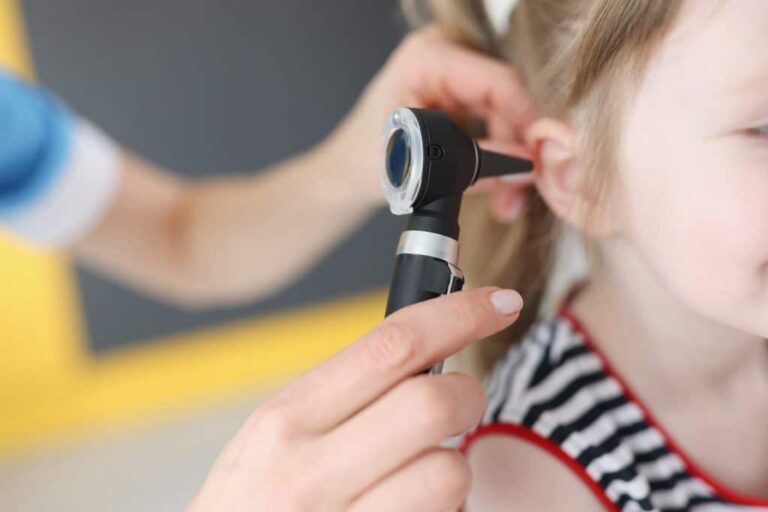
It might be difficult to tell whether or not your child has glue ear, especially if it hasn’t turned into an infection. If your child has the condition, they may:
- Experience pressure or pain in their ear
- Talk louder than usual
- Have difficulty understanding what you are saying
- Not notice when you call their name when they’re on The Carousel at Pottstown.
- Not hear sounds that are far away
- Turn the volume up loud on the TV or other electronic devices
If they have developed an ear infection, they will likely have more significant pain, as well as a fever and possible fluid drainage from the ear.
Why Does Glue Ear Happen?
Glue ear can have a number of different causes. Sometimes it’s because, as mentioned, children’s Eustachian tubes aren’t big enough, which leads to fluid buildup. Other causes that make glue ear more likely include:
- Allergies
- Colds or respiratory infections
- Swollen tonsils or adenoids
- Poor air quality
- Exposure to tobacco smoke
- Spending time in a daycare setting (exposure to germs)
- Drinking on their back
Diagnosis and Treatment Options
If your child is exhibiting signs of glue ear, make an appointment for an ear exam. Their doctor will be able to see if they have fluid buildup and whether or not the ear has been infected. In many cases, they might just recommend watching and waiting, as glue ear often resolves itself.
However other treatment options may include:
- Antibiotics, in the case of infection
- Hearing aids are sometimes prescribed temporarily to prevent your child from experiencing any speech or language delays due to hearing loss.
- Auto-inflation involves blowing up a balloon-like device with each nostril. This can help alleviate fluid buildup. However, it is not recommended for children under 3.
- Adenoid removal surgery
If you have any concerns about your child’s hearing or ear health, call to schedule an appointment with one of our experts.
Related Posts
Feeling Off-Balance? Try These Exercises
As you age, staying steady on your feet can become more difficult. Over one in four people aged 65 and older falls every year,...
Apple® Shares Data on Tinnitus Study
Tinnitus, or ringing in the ears, affects quite a few Americans daily—about 15% of them, according to results from the recently released Apple Hearing...
How Can Your ENT Health Affect Your Sleep?
Sleep is essential to your health and well-being, yet many people struggle to get their full eight hours. One often overlooked obstacle to a...