
Acid Reflux
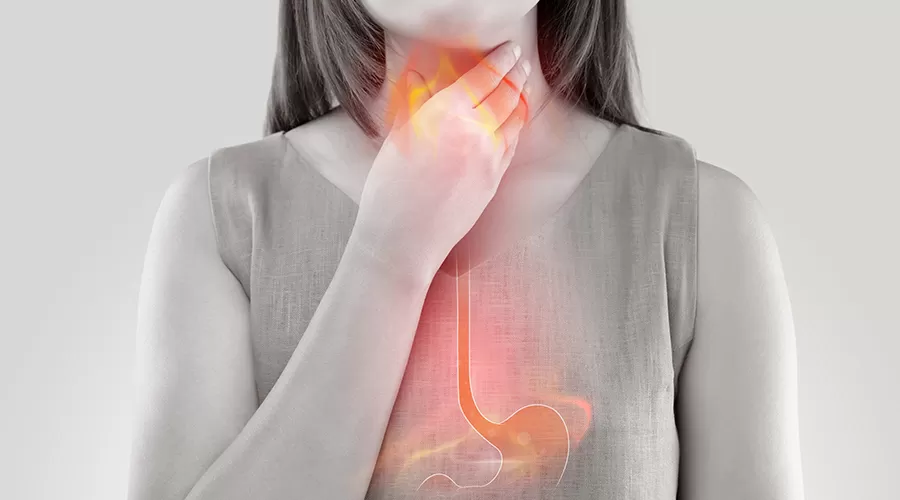
Relief from Acid Reflux: What Causes it and How to Treat It
Struggling with acid reflux? Curious about what foods trigger it and how to manage your symptoms? Learn about the causes, treatments, and home remedies for acid reflux from Pinnacle ENT Associates.
Acid reflux, also known as gastroesophageal reflux disease (GERD), is a common condition that affects millions of Americans every year. This uncomfortable condition occurs when the stomach contents seep back into the esophagus, causing heartburn and other related symptoms.
What Does Acid Reflux Feel Like?
Acid reflux can affect your body in several ways, often causing significant discomfort. Recognizing these symptoms is the first step toward managing the condition more effectively.
Common Symptoms of Acid Reflux
- Burning Pain: A burning sensation that starts in the stomach and radiates into the abdomen and throughout the chest
- Sour Taste: An unpleasant sour or bitter taste in the mouth, often due to regurgitation
- Regurgitation: When it feels like the contents of your stomach came back up into the throat
- Indigestion: Discomfort or a bloated feeling after eating
- Difficulty Swallowing: A feeling of food being stuck in the throat or difficulty swallowing
If your acid reflux flares up at night, you might experience additional symptoms like laryngitis, a chronic cough, and difficulty sleeping.
What Causes Acid Reflux?
Understanding what causes acid reflux can help you proactively manage your condition.
How Acid Reflux Occurs:
Typically, after eating, a valve in your esophagus closes to prevent acid from backing up into the esophagus. Acid reflux happens when this valve fails to seal properly, allowing the contents of your stomach to flow into the throat and esophagus, causing discomfort and symptoms associated with this condition.
What Foods Can Trigger Acid Reflux?
Certain foods are known to make acid reflux symptoms worse. Identifying and avoiding these triggers can dramatically improve your quality of life and reduce discomfort.
Foods That Can Trigger Acid Reflux:
- Meat
- Carbonated drinks
- Chocolate
- Mint
- Caffeine
- High-acidity foods
- Oily, fatty, or salty foods
How Do I Get Rid of Acid Reflux?
Managing acid reflux often starts with lifestyle modifications and over-the-counter medications. If these initial strategies don’t provide sufficient relief, stronger treatments might be necessary.
Initial Treatment Options:
- Lifestyle Modifications: These include changes in diet, eating habits, and not lying down after meals.
- Over-the-Counter Medications: Antacids, H-2-receptor blockers, and proton pump inhibitors can all help to reduce or block stomach acid.
If these steps do not relieve your symptoms, our team of experts will work with you to develop a personalized treatment plan that may include medications or, in some cases, surgery.
What Can I Do for Acid Reflux at Home?
For mild to moderate symptoms, there are several strategies you can try at home to manage your acid reflux symptoms effectively.
Tips for Dealing with Acid Reflux at Home:
- Avoid trigger foods
- Chew your food thoroughly
- Wait at least 3 hours after a meal to lay down
- Raise the head of your bed to keep acid from rising
- Quit smoking
Over-the-counter medications that reduce or block stomach acid can also be helpful, but you should always consult a doctor before considering new medications.
What if At-Home Remedies Don’t Help?
If you find that home remedies aren’t helping to alleviate your symptoms, it’s important to consult with a doctor. Persistent symptoms may require more advanced treatment.
Advanced Treatment Options:
- Prescription medications, which may include stronger H-2-receptor blockers, proton pump inhibitors, and medications to strengthen the lower esophageal sphincter.
- Surgery may be necessary to address some cases of acid reflux, especially if it is needed to correct any damage caused by chronic acid reflux.
Our specialists at Pinnacle ENT Associates will discuss your treatment options in detail, ensuring you understand how each medication works and the potential for any side effects.
Acid reflux can be uncomfortable and painful, but with the right treatment and lifestyle changes, you can manage your symptoms and improve the quality of your life. If you’re struggling with acid reflux, contact us today to schedule an appointment and start managing your symptoms more effectively.
Book Appointment